Spare the Air days and your fireplace
BAAQMD’s Spare the Air program can ban wood burning across the Bay Area on a single winter day. What it restricts, who is exempt, what it does not.
Published
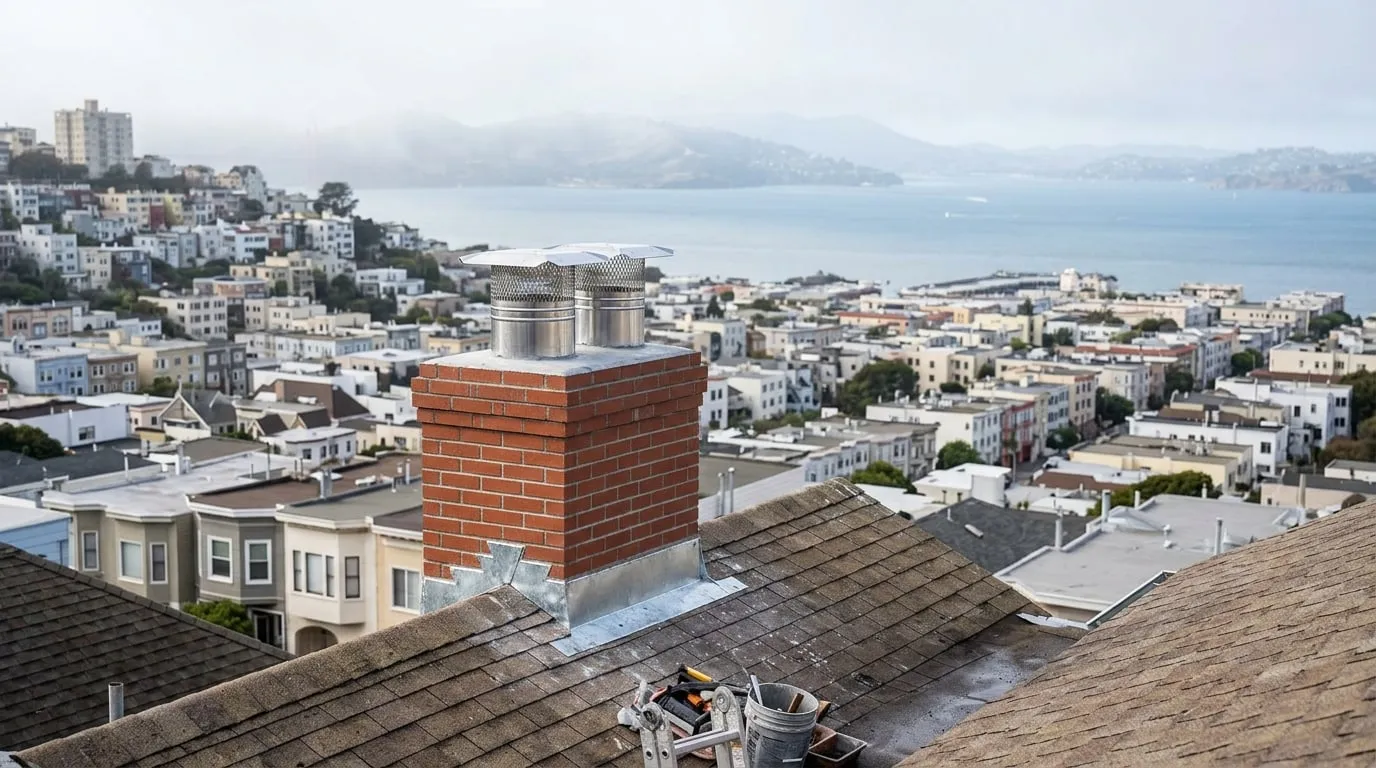
A Bay Area Spare the Air alert is a mandatory, enforceable ban on wood burning across all nine counties at once, not a suggestion. Here is exactly what it covers, who is exempt, and, importantly, what it has nothing to do with.
Every winter, the Bay Area Air Quality Management District issues a stream of “Spare the Air” alerts, and the phrase gets used loosely enough in casual conversation that a lot of homeowners assume it is a suggestion: something like an air-quality advisory that a considerate person voluntarily follows. For a wood-burning fireplace or stove, it is not a suggestion. On a declared winter Spare the Air day, wood burning is a mandatory, enforceable restriction across the entire nine-county Bay Area, backed by real fines for a confirmed violation.
What BAAQMD actually is, and why it covers the whole region
The Bay Area Air Quality Management District is the regional agency responsible for air quality across all nine counties that ring San Francisco Bay: San Francisco, San Mateo, Alameda and Contra Costa among them, along with the counties further out. Because wood smoke and its fine particulate matter do not respect a city or county line, BAAQMD’s winter wood-burning rule applies uniformly the moment it is called: a Spare the Air alert issued for the region takes effect in San Francisco, Oakland, Berkeley, Richmond and every other city inside our service area on exactly the same day, at the same time, under the same rule.
What triggers a mandatory alert
BAAQMD calls a mandatory winter Spare the Air alert when forecast conditions point toward a buildup of fine particulate pollution: typically a stagnant, high-pressure weather pattern that traps smoke and other emissions close to the ground instead of letting them disperse, combined with cold overnight temperatures that push wood-burning use up across the region at the same time. The agency issues these forecasts a day ahead, publishes them prominently, and (this is the part that surprises people) actually enforces them, with a complaint-driven and, in some cases, proactive enforcement program backed by real financial penalties for a confirmed violation.
What is actually restricted
On a declared mandatory alert day, burning wood, manufactured fire logs, or any other solid fuel in a fireplace, wood stove, or outdoor fire pit is prohibited, full stop, regardless of whether the device is old or new. There are narrow exemptions built into the rule: a household whose sole source of heat is a wood-burning device, properly registered as such, is typically exempt, as are certain EPA-certified, cleaner-burning wood stoves and inserts under specific program registrations that vary by year. Gas fireplaces and gas log sets are generally not restricted by a wood-burning Spare the Air alert at all, since the rule targets solid-fuel combustion specifically, though it is always worth confirming your appliance’s actual classification if you are unsure which category it falls into.
How enforcement actually plays out
BAAQMD relies heavily on a public complaint line, and a neighbor reporting visible chimney smoke on a mandatory alert day is the most common way a violation actually gets investigated, rather than routine patrols looking for smoke citywide. A first confirmed violation typically results in a warning rather than an immediate fine, with escalating financial penalties for repeat violations within a rolling period. The exact structure has been adjusted over the years, so the current fine schedule is worth checking directly with the district rather than assuming an old figure still applies. The practical takeaway is that the rule has real teeth, but it is largely complaint-driven rather than proactively patrolled, which is part of why visible smoke from a chimney on a declared alert day is specifically the thing most likely to trigger a call.
What it has nothing to do with
This is the point that matters most for anyone reading this while wondering whether to cancel a scheduled chimney appointment: a Spare the Air alert restricts burning a fire. It has no bearing whatsoever on having a chimney serviced. A sweep, a cleaning, an inspection, a repair, or a cap installation can all proceed on a mandatory alert day exactly as they would on any other day: the crew is not lighting a fire in your fireplace, and the rule was never written with chimney maintenance in mind. If anything, a stretch of mandatory no-burn days is often a genuinely convenient time to get service scheduled, since the fireplace is already off-limits for its usual use either way.
Why this matters more here than it might elsewhere
Some regions of the country have looser or purely voluntary wood-smoke guidance, and homeowners moving to the Bay Area from one of those places sometimes assume Spare the Air works the same way. It does not. The mandatory version of this rule carries real financial penalties for a documented violation, and BAAQMD does follow up on complaints. Knowing the difference between a voluntary “please consider not burning” advisory day and a mandatory, enforceable ban, and knowing which one is currently in effect, is worth checking before lighting a fire on a winter evening, especially during the stretch of the season when stagnant weather patterns are most common across the whole region.
Read next
More from the blog
Get a written scope
A full inspection first, then a written account of exactly what the work involves: no verbal estimate from the driveway.